
The Trial and Its Consequences
In Cold BloodThis thread traces the prosecution, death sentences, appeals, and final executions of Perry Smith and Dick.
increasing Bearing strength in each event
 decreasing
Bearing strength in each eventdecreasingReturn to Garden City
Return to Garden City
A public spectacle
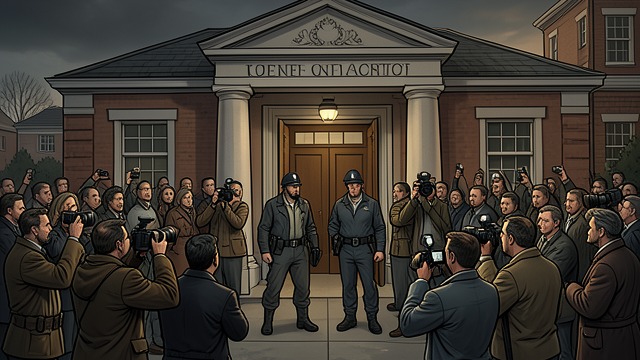
Perry Smith and Dick arrive under guard as reporters and residents gather at the courthouse. Their appearance makes the investigation’s hidden suspects visible to the community.
Rumor becomes fact
The crowd’s silence and attention reflect weeks of fear and speculation. Yet the arrest does not settle the moral and legal questions raised by the killings.
The State Presents Its Case
The State Presents Its Case
Evidence in court
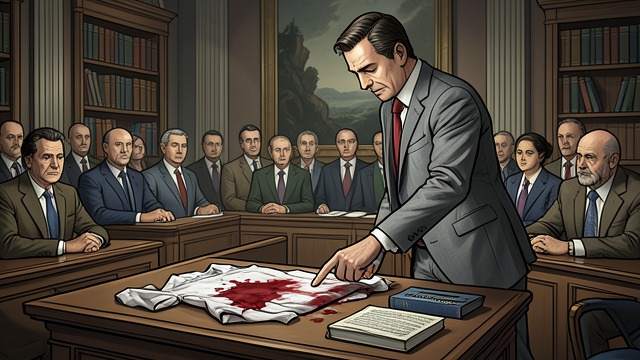
Witnesses describe the discovery, the crime scene, and the physical evidence connecting the accused men to the murders. Floyd Wells recounts Dick’s earlier plan to rob and kill witnesses.
Responsibility shared
The prosecution argues that both men bear responsibility, regardless of who fired each fatal shot. The defense faces confessions and corroborating evidence that leave little room for denial.
Mental State Disputed
Mental State Disputed
A narrow legal test
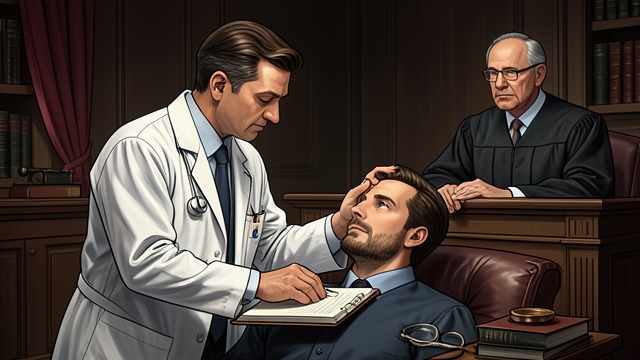
The defense raises questions about the defendants’ mental condition, but Kansas law frames responsibility through the M’Naghten rule. The court restricts expert testimony that might explain their psychological differences.
Explanation without escape
W. Mitchell Jones’s assessments describe serious emotional disturbance, yet do not change the trial’s legal framework. The jury must decide guilt and punishment within that boundary.
Death Sentences
Death Sentences
The verdict
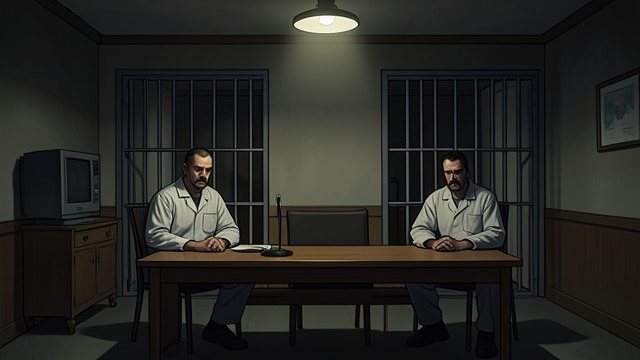
After a brief deliberation, the jury finds both defendants guilty of first-degree murder and sentences them to death. The ruling brings the legal case to a dramatic conclusion but leaves uncertainty about the precise division of violence between them.
Public response
Some observers regard the verdict as justice; others question the fairness and humanity of the process. The condemned men begin a long period of confinement and appeal.
The Final Execution
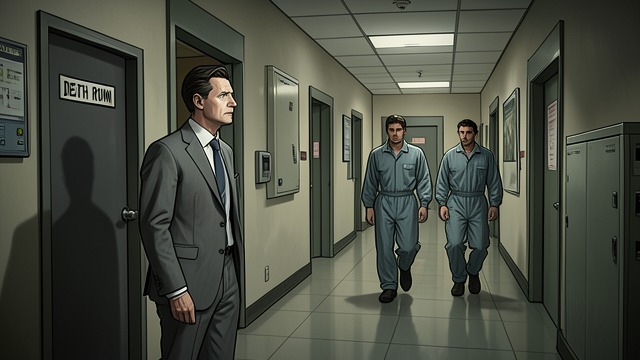
The Final Execution
Appeals exhausted
Years of legal challenges delay the execution, but repeated appeals fail. The condemned men remain on death row while the state settles on a final date.
A case ends, not a loss
Alvin Adams Dewey watches both men die, yet the execution brings no uncomplicated feeling of closure. The victims’ absence and the perpetrators’ deaths remain side by side in his memory.
January 6, 1960
March 23–25, 1960
March 1960, during the trial
March 1960
Early hours, April 14, 1965
